Speaking From Exile: Why Silence Is No Longer an Option
- Abtsega
- Human rights, Diaspora, Advocacy
- January 18, 2024
Table of Contents
Speaking From Exile
Living outside Ethiopia has given me physical safety, but it has not given me peace. Every phone call from home carries fear. Every message brings uncertainty. Being away does not mean being unaffected. In many ways, it has made the pain heavier.
After everything that happened to my family and my community, remaining silent was no longer possible for me. Silence only benefits those who abuse power. It does not protect victims. It does not bring justice. And it does not stop persecution.
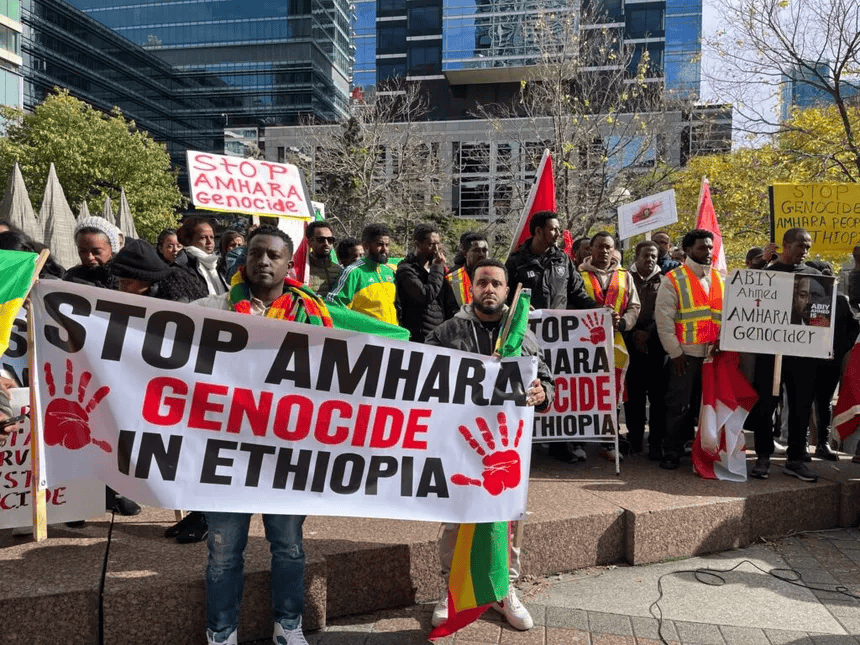
As an Amhara living abroad, I have watched the situation in Ethiopia grow worse. Arbitrary detentions, disappearances, and collective punishment of Amhara civilians have continued. Many people are detained without charges. Families are not told where their loved ones are taken. Fear has become part of everyday life.
From outside the country, some people expect us to stay quiet, as if distance means we have no right to speak. But distance has given us clarity. It has allowed us to see patterns of abuse and repression more clearly. And it has given us a responsibility to speak for those who cannot.
While in India, I joined other Amhara students and community members in peaceful advocacy efforts. We met to discuss the situation back home, shared information responsibly, raised funds for displaced families, and organized awareness activities. Everything we did was peaceful. Our goal was never violence. Our goal was dignity, justice, and basic human rights.
Despite this, Amhara voices are often labeled as dangerous or hostile. Simply speaking about injustice is treated as opposition. But opposing ethnic persecution is not a crime. Asking for accountability is not treason. Wanting to live without fear should never be punished.
What hurts deeply is knowing that people are targeted not for actions, but for identity. Being called “nefxegna” has become a way to justify abuse and erase humanity. This kind of language leads directly to violence. It turns neighbors into enemies and citizens into suspects.
I do not speak because I enjoy criticism or risk. I speak because I have seen what happens when people stay silent. I have seen families lose everything. I have seen fathers disappear and never return. These experiences are not distant stories. They are part of my life.
I still believe Ethiopia can be a country where all ethnic groups live with equal rights and respect. But that future cannot be built through fear, repression, and collective punishment. True unity comes from justice, not force.
As members of the diaspora, we will continue to speak peacefully and responsibly. We will continue to document, to remember, and to advocate. Not because we hate our country, but because we refuse to accept a future built on silence and suffering.
Speaking from exile is not betrayal.
It is an act of conscience.
And for me, it is the only choice left.
ከስደት መናገር
ከኢትዮጵያ ውጭ መኖር አካላዊ ደህንነት ሰጥቶኛል፣ ግን ሰላም አልሰጠኝም። ከቤት የሚደወል እያንዳንዱ የስልክ ጥሪ ፍርሃትን ያስከትላል። እያንዳንዱ መልእክት እርግጠኛ አለመሆንን ያመጣል። ከቤት መውጣት ማለት ምንም ተጽእኖ እንደሌለው ማለት አይደለም። በብዙ መንገዶች ህመሙን የበለጠ ከባድ አድርጎታል።
በቤተሰቤ እና በማህበረሰቤ ላይ ከደረሰው ነገር ሁሉ በኋላ፣ ዝምታ ለእኔ አሁን የማይቻል ነበር። ዝምታ የሚጠቅመው ስልጣንን አላግባብ የሚጠቀሙትን ብቻ ነው። ተጎጂዎችን አይጠብቅም። ፍትህ አያመጣም። እናም ስደትን አያቆምም።
በውጭ አገር የሚኖር አማራ እንደመሆኔ መጠን፣ በኢትዮጵያ ውስጥ ያለው ሁኔታ እየተባባሰ ሲሄድ ተመልክቻለሁ። የዘፈቀደ እስር፣ መጥፋት እና የአማራ ሲቪሎች የጋራ ቅጣት ቀጥሏል። ብዙ ሰዎች ያለ ክስ ይታሰራሉ። ቤተሰቦች የሚወዷቸው ሰዎች የት እንደተወሰዱ አይነገራቸውም። ፍርሃት የዕለት ተዕለት ሕይወት አካል ሆኗል።
ከአገር ውጭ፣ አንዳንድ ሰዎች ዝም እንድንል ይጠብቃሉ፣ ርቀት የመናገር መብት የለንም። ነገር ግን ርቀት ግልጽ አድርጎልናል። የጥቃት እና የጭቆና ቅጦችን በግልፅ እንድናይ አስችሎናል። እናም ለማይችሉት የመናገር ኃላፊነት ሰጥቶናል።
በህንድ እያለሁ ከሌሎች የአማራ ተማሪዎች እና የማህበረሰብ አባላት ጋር በሰላማዊ የድጋፍ ጥረቶች ተቀላቅያለሁ። በአገር ቤት ያለውን ሁኔታ ለመወያየት፣ መረጃ በኃላፊነት ለመለዋወጥ፣ ለተፈናቀሉ ቤተሰቦች ገንዘብ ለማሰባሰብ እና የግንዛቤ ማስጨበጫ ስራዎችን ለማደራጀት ተገናኝተናል። ያደረግነው ነገር ሁሉ ሰላማዊ ነበር። ግባችን በጭራሽ ዓመፅ አልነበረም። ግባችን ክብር፣ ፍትህ እና መሰረታዊ የሰብአዊ መብቶች ነበር።
ይህ ቢሆንም፣ የአማራ ድምጾች ብዙውን ጊዜ አደገኛ ወይም ጠላት ተብለው ይጠራሉ። ስለ ኢፍትሃዊነት መናገር ብቻ እንደ ተቃዋሚ ይቆጠራል። ነገር ግን የጎሳ ስደትን መቃወም ወንጀል አይደለም። ተጠያቂነትን መጠየቅ ክህደት አይደለም። ያለፍርሃት መኖር መፈለግ ፈጽሞ መቀጣት የለበትም።
በጣም የሚያምመው ሰዎች ለድርጊት ሳይሆን ለማንነት ኢላማ መሆናቸውን ማወቅ ነው። “ኔፍኬኛ” መባል ጥቃትን ለማጽደቅ እና ሰብአዊነትን ለማጥፋት መንገድ ሆኗል። ይህ ዓይነቱ ቋንቋ በቀጥታ ወደ ዓመፅ ይመራል። ጎረቤቶችን ወደ ጠላቶች ይለውጣቸዋል፣ ዜጎችንም ወደ ተጠርጣሪዎች ይለውጣቸዋል።
እኔ የምናገረው ትችትን ወይም አደጋን ስለምወድ አይደለም። ሰዎች ዝም ሲሉ ምን እንደሚፈጠር ስላየሁ ነው። ቤተሰቦች ሁሉንም ነገር ሲያጡ አይቻለሁ። አባቶች ሲጠፉ እና ተመልሰው እንደማይመለሱ አይቻለሁ። እነዚህ ልምዶች የሩቅ ታሪኮች አይደሉም። የህይወቴ አካል ናቸው።
አሁንም ኢትዮጵያ ሁሉም ጎሳዎች በእኩል መብትና አክብሮት የሚኖሩባት አገር ልትሆን እንደምትችል አምናለሁ። ነገር ግን ያ የወደፊት ሕይወት በፍርሃት፣ በጭቆናና በጋራ ቅጣት ሊገነባ አይችልም። እውነተኛ አንድነት የሚመጣው ከፍትህ እንጂ ከኃይል አይደለም።
እንደ ዲያስፖራ አባላት፣ በሰላምና በኃላፊነት መነጋገራችንን እንቀጥላለን። መዝግበን፣ ማስታወስንና መሟገታችንን እንቀጥላለን። አገራችንን ስለምንጠላ ሳይሆን በዝምታና በመከራ ላይ የተገነባውን የወደፊት ሕይወት ለመቀበል ፈቃደኛ ባለመሆናችን ነው።
ከስደት መናገር ክህደት አይደለም። የህሊና ተግባር ነው። ለእኔም የቀረኝ ብቸኛው ምርጫ ይህ ነው።