AI & Cybersecurity Course at the University of Turku
- Abtsega
- Education & certification
- September 25, 2023
Table of Contents
Introduction: The Convergence of AI and Cybersecurity
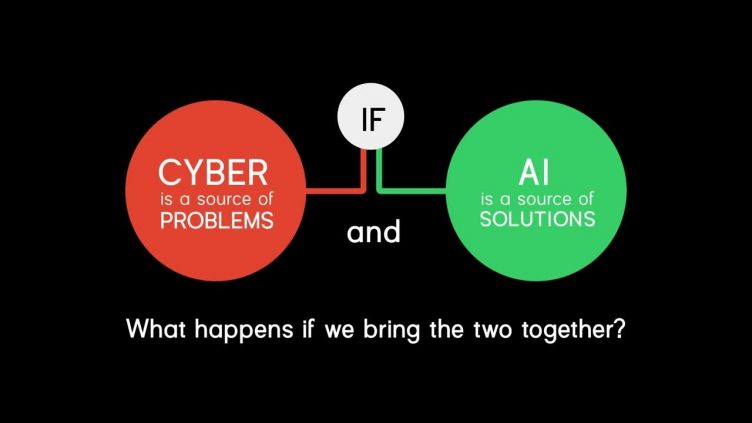
As technology evolves, the intersection of artificial intelligence (AI) and cybersecurity becomes increasingly vital. The AI & Cybersecurity course at the University of Turku offers a comprehensive understanding of this dynamic field. This blog post will walk you through my experiences, insights, and the broader implications of this course, demonstrating its significance in shaping the future of technology.
Why AI & Cybersecurity?
The Growing Importance
In today’s digital age, cyber threats are not just increasing in number but also in complexity. AI offers a way to enhance security measures, allowing for more sophisticated detection, prevention, and response strategies. The course at the University of Turku provided me with a deep understanding of how AI can be harnessed to combat these evolving threats, making it a crucial area of study for anyone interested in cybersecurity.
Career Prospects
The fusion of AI and cybersecurity is creating new roles and opportunities in the tech industry. Companies are actively seeking professionals who can navigate both fields, making expertise in this area highly valuable. The course has significantly boosted my career prospects, preparing me for roles that demand a blend of AI knowledge and cybersecurity skills. From AI-driven cybersecurity analyst roles to positions focused on developing AI tools for security, the possibilities are endless.
Global Impact
The global impact of AI in cybersecurity cannot be overstated. As cyber threats know no borders, the need for AI-enhanced security solutions is universal. This course has equipped me with the tools and knowledge to contribute to global cybersecurity efforts, making the digital world safer for individuals, organizations, and nations alike.
Course Structure and Highlights
Core Modules
The course’s curriculum is a well-rounded blend of theoretical knowledge and practical application. Key modules included:
- Machine Learning in Security: Delving into how machine learning algorithms can be trained to identify and respond to security threats.
- AI-Driven Threat Detection: Understanding the mechanisms behind AI tools that detect anomalies and potential breaches in real-time.
- Cyber Defense Strategies: Developing robust defense mechanisms using AI to preempt and counter cyber attacks.
Each module was designed to build a comprehensive understanding of how AI can be integrated into cybersecurity, providing a holistic view of the field.
Practical Projects
The course emphasized hands-on experience, allowing us to apply what we learned in real-world scenarios. For example:
- Predictive Security Models: I worked on a project where we developed an AI model capable of predicting potential security breaches based on historical data. This project involved data analysis, model training, and real-time testing, providing a full cycle of practical application.
- AI in Network Security: Another project involved using AI to monitor network traffic for unusual patterns, a critical component of modern cybersecurity efforts.
These projects were not only challenging but also immensely rewarding, bridging the gap between theory and practice.
Key Takeaways and Skills Acquired
Technical Proficiency
The course provided me with advanced technical skills, including:
- Python Programming for AI: Learning how to use Python, a leading programming language in AI, to create and train machine learning models.
- Security Protocols: Understanding and implementing modern cybersecurity protocols, which are essential for protecting systems against attacks.
- AI Tool Development: Gaining hands-on experience in developing AI tools that can be used to enhance cybersecurity measures.
These skills are not only valuable but also essential for anyone looking to specialize in AI and cybersecurity.
Strategic Thinking
Beyond technical skills, the course developed my ability to think strategically about security issues. This included:
- Risk Assessment: Learning how to assess potential security risks and devise AI-driven strategies to mitigate them.
- Holistic Security Solutions: Developing a comprehensive approach to cybersecurity that integrates AI at every level, from threat detection to incident response.
This strategic thinking is crucial in developing effective, long-term security solutions in a rapidly changing digital landscape.
Challenges Faced and Overcome
Balancing Theory and Practice
One of the major challenges I faced was balancing the extensive theoretical content with practical applications. The course was rigorous, requiring a deep understanding of complex concepts. However, the practical projects provided a way to apply this knowledge, making the learning process more manageable and rewarding. The integration of theory and practice was one of the course’s strengths, ensuring that I could apply what I learned in real-world settings.
Adapting to New Technologies
As AI and cybersecurity are rapidly evolving fields, staying up-to-date with the latest technologies and methodologies was a challenge. The course introduced me to:
- Cutting-Edge Tools: Gaining proficiency in the latest AI tools and cybersecurity software.
- Continuous Learning: Developing the habit of continuous learning, ensuring that I stay current with the latest developments in the field.
This adaptability is crucial in a field where technology is constantly advancing, and new challenges emerge regularly.
Future Applications: How I Plan to Use What I’ve Learned
Immediate Impact
The knowledge and skills gained from this course are already being applied in my current projects. Whether it’s developing AI-driven security solutions or enhancing existing systems, the course has equipped me with the tools needed to make an immediate impact in my work. Some of the immediate applications include:
- Improving Security Protocols: Applying the latest AI techniques to enhance security protocols in my current projects.
- AI Model Development: Using my newfound skills in AI to develop more sophisticated models for threat detection and prevention.
Long-term Vision
Looking ahead, I see this course as a stepping stone towards a more specialized career in AI and cybersecurity. My long-term goals include:
- Developing AI-Driven Security Solutions: Contributing to the development of AI systems that can proactively detect and prevent cyber threats, making the digital world safer for everyone.
- Research and Innovation: Engaging in research that pushes the boundaries of AI and cybersecurity, exploring new ways to enhance security measures through AI.
The course has laid a solid foundation for these goals, providing me with the knowledge and skills needed to pursue them.
Final Thoughts: The Value of Continuous Learning
In a field that is constantly evolving, continuous learning is not just an option but a necessity. The AI & Cybersecurity course at the University of Turku has inspired me to keep exploring and expanding my knowledge. Some key reflections include:
- Embracing Lifelong Learning: Recognizing the importance of staying current in a rapidly evolving field, and committing to ongoing education and professional development.
- Innovating for the Future: Understanding that the future of cybersecurity lies in innovation and the integration of AI, and being prepared to contribute to that future.
As technology continues to advance, I am committed to staying at the forefront of these developments, always ready to adapt and innovate.