MLSecOps Foundation Course by Protect AI
- Abtsega
- Education & certification
- January 1, 1
Table of Contents
MLSecOps Foundation Course by Protect AI
In a world where artificial intelligence (AI) and machine learning (ML) are increasingly integrated into every aspect of life, securing these systems against evolving threats has never been more critical. From financial services to healthcare, AI-driven solutions are transforming industries, but with this innovation comes a unique set of risks. How do we secure AI/ML systems to ensure they remain resilient, ethical, and trustworthy?
Protect AI, a leading company in AI security, offers an answer through its MLSecOps Foundation Course. This course is specifically designed to help professionals master the essential skills required to secure AI/ML systems across industries. Whether you’re an ML engineer, a data scientist, an AppSec/InfoSec practitioner, or a business leader, this course equips you with the knowledge to proactively defend AI-powered systems.
Course Overview: A Comprehensive Approach to AI Security
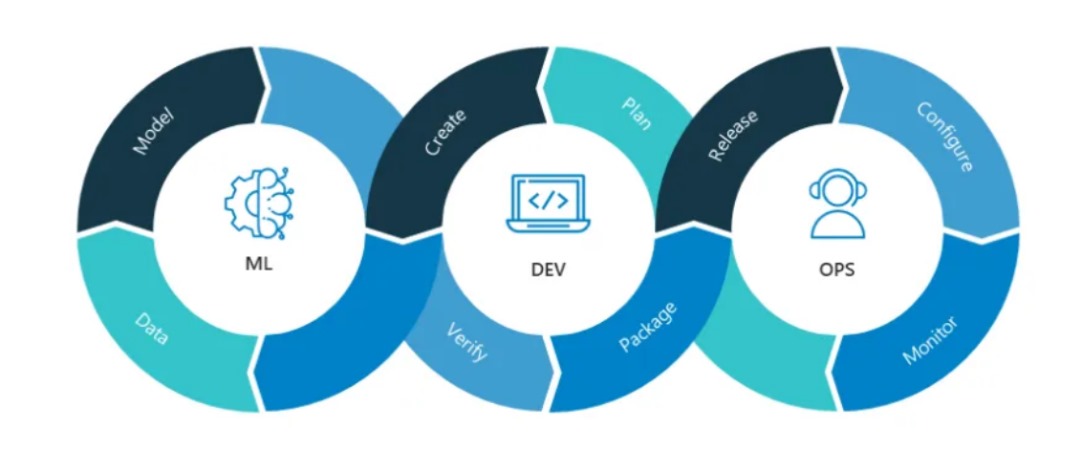
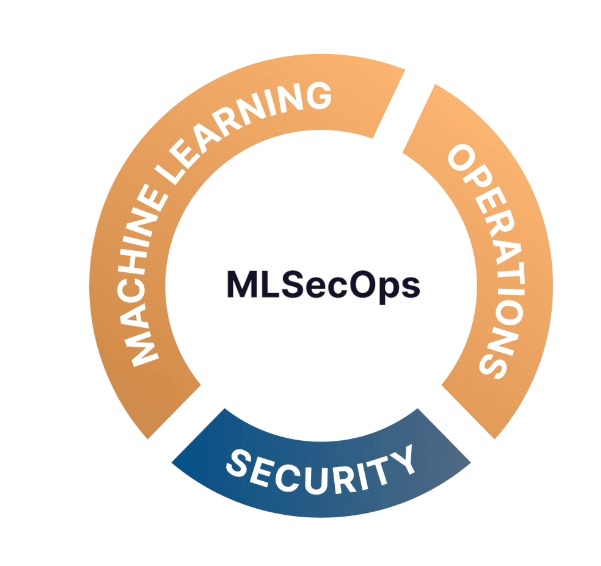
The MLSecOps Foundation Course is led by Diana Kelley, Chief Information Security Officer (CISO) at Protect AI, and her team of AI security experts. Together, they guide learners through an in-depth exploration of the most pressing security challenges in AI and ML today. The course uses the MLSecOps framework, which integrates security practices directly into the machine learning lifecycle, much like DevSecOps does for traditional software development.
Here’s what you’ll learn throughout the course:
Introduction to MLSecOps
The course starts with a comprehensive overview of MLSecOps, laying the foundation for how AI and security intersect. You will learn:
What MLSecOps is and why it’s essential in today’s AI-driven world. The benefits of AI risk awareness for organizations. Key assurance categories within MLSecOps. How the MLSecOps framework integrates with MLOps.
Applying MLSecOps to Secure the AI Lifecycle
This section focuses on securing the entire AI/ML lifecycle, from model development to deployment and beyond. Key topics include:
- Mapping, measuring, managing, and governing AI systems.
- AI attack vectors and the vulnerabilities that hackers exploit.
- Introduction to AI-specific threat modeling and the creation of customized and strategic threat models.
- Ensuring adversarial robustness and securely deploying and monitoring models.
Building the MLSecOps Dream Team
Securing AI/ML systems isn’t just about technology; it’s also about people and collaboration. In this part of the course, you’ll learn:
- How to build the MLSecOps team and define roles and responsibilities.
- The Violet Teaming integrative framework, which promotes interdisciplinary collaboration across security, AI, and operations teams.
- How to empower team members with the right training to manage AI security.
MLSecOps Implementation and Strategy: Risk Assessment and Incident Response
The course also delves into practical strategies for integrating MLSecOps into your existing processes. You will explore:
- Step-by-step instructions for incorporating MLSecOps into AI workflows.
- Foundations for conducting thorough AI/ML risk assessments and ensuring compliance with security standards.
- Developing and executing AI-specific incident response plans.
- Auditing AI systems, taking inventory, and managing AI supply chains.
A Certificate That Prepares You for Real-World Challenges
At the end of the course, learners must pass a final exam, making them eligible for a certificate that validates their expertise in MLSecOps. This certification serves as a testament to your commitment to safeguarding AI/ML systems and building a safer AI-powered world.
Why MLSecOps Matters Now More Than Ever
The rapid growth of AI systems means they are increasingly becoming targets for cyberattacks. While traditional MLOps practices focus on deployment and monitoring, they often fall short in addressing AI-specific vulnerabilities, such as model poisoning, data manipulation, and adversarial attacks. The MLSecOps framework is designed to fill these gaps, offering an integrated approach that combines the best practices from DevSecOps with AI-specific security measures.
By applying MLSecOps, organizations can ensure the confidentiality, integrity, and availability of their AI/ML systems. Moreover, they can minimize the risk of ethical concerns, such as bias and privacy violations, which have become hot topics in AI ethics discussions.
Who Should Take This Course?
This course is ideal for a broad range of professionals involved in the design, development, and security of AI/ML systems, including:
- Machine Learning Engineers: Learn how to build secure models that resist adversarial attacks.
- Data Scientists: Understand the security implications of your models and the risks associated with training data.
- AppSec/InfoSec Practitioners: Explore the intersection of security and AI, and how to apply your expertise to AI systems.
- Business Leaders: Gain insights into how AI security can impact your organization’s overall risk management strategy and reputation.
Join the Future of AI Security & Resources
The MLSecOps Foundation Course by Protect AI is your opportunity to gain a comprehensive understanding of how to secure AI/ML systems from the ground up. With insights from industry experts like Diana Kelley and a practical, hands-on approach, you’ll be prepared to lead the charge in securing the future of AI.
- MLSecOps Course: https://protectai.com/mlsecops-foundations-certification
- MLSecOps Community: https://community.mlsecops.com/home
- AI/ML Bug Bounty: https://huntr.com/
- Protect AI website: https://protectai.com/